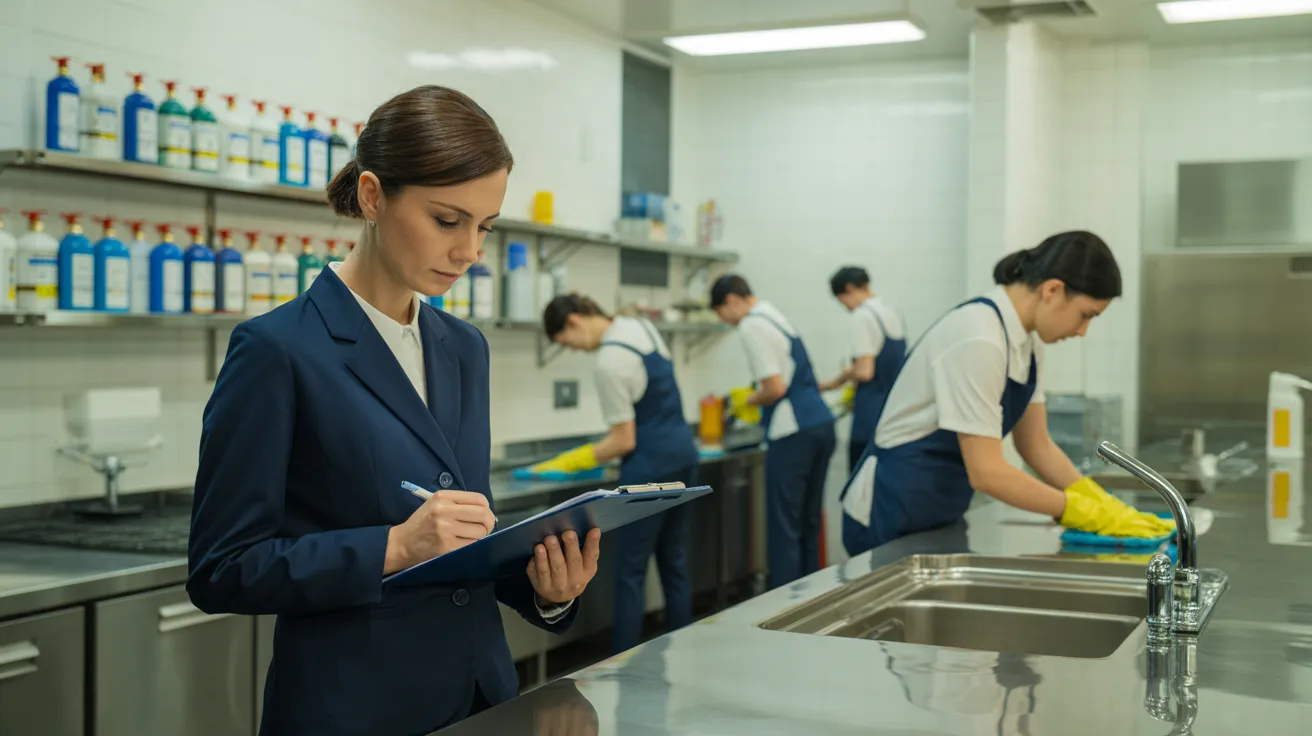
Brampton food hygiene and commercial cleaning experts help you keep restaurants, commissaries, bakeries, warehouses, and mobile food operations sanitized to standards. They disinfect high-touch points, food-contact surfaces, equipment, floors, drains, restrooms, and prep zones using certified sanitizers, proper concentration, and documented contact times. in maintaining restaurants, commissaries, bakeries, warehouses, and food service units in compliance. They sanitize frequently touched areas, food preparation zones, equipment, floors, drains, restrooms, and prep areas with approved chemicals, correct concentration, and recorded contact times.
Main Points
- Sanitation technicians from Brampton work with restaurants, grocery departments, commissaries, warehouses, bakeries, schools, mobile vendors, and allergen-sensitive operations.
- Cross-contamination reduction is maintained by treating frequently contacted areas, food-contact equipment, kitchens, floors, drains, restrooms, and storage areas with area-specific procedures.
- Recording of completion through samples, reviews, and corrective-action records ensures approved vendors have validated proper chemical concentration, suitability, and contact time.
- Hazard, throughput, changeovers, incidents, and guidelines must shape maintenance plans, with routine, periodic, and periodic duties designated by zone.
- Choose suppliers with HACCP, public-health, knowledge, safety training, preparation, coverage, references, colour-coded implements, and compliance-ready cleaning files.
Food Safety Cleaning Requirements for Brampton Venues
Food safety cleaning is essential for any Brampton facility that handles, maintains, prepares, packages, or offers food. Apply it to your establishment if it comes under public health inspection, food premises regulations, or internal HACCP-based controls. This includes dining establishments, break rooms, distribution centers, market departments, meat shops, fish areas, stores, and food prep kitchens.
Proper sanitation protocols is equally needed in supply facilities, manufacturing operations, cold storage areas, bakery retailers, educational nutrition programs, banquet halls, and food delivery hubs. Mobile and temporary establishments count as well, including catering vehicles, festival sellers, and pop-up stands. Your establishment must have established hygiene procedures if your staff work with ingredients, section finished dishes, heat items, or keep allergens organized. In Brampton, sanitation remains not elective; it constitutes lawful, operational, and customer protection adherence.
What Do Brampton Cleaning Experts Clean?
You require experienced cleaning professionals who disinfect high-touch surfaces, cooking areas, floor areas, and bathrooms to ensure compliance with food safety and health standards. These areas are targeted due to their high cross-contamination potential, falling hazards, and regulatory breaches.
When you understand what they clean, you can ensure your operation's cleaning procedures satisfy operational and regulatory requirements.
Sterilizing High-Touch Points
establish a sterilization plan
Maintaining a sequential system, rotating cleaning materials, and organizing disinfection materials according to area ensures that disinfection stays documented, auditable, and audit-prepared consistently
Kitchens, Floors, and Restrooms
Expect Brampton cleaning experts to focus on kitchens, floors, and restrooms because each area carries unique foodborne illness prevention, accident prevention, and sanitation risks. In industrial kitchens, you need degreasing on cook lines, equipment exteriors, drains, prep surfaces, and splash zones to minimize contamination and pest pressure.
Professional floor care with documentation is also included. is likewise provided as part of the service.
Restroom cleaning involves sanitizing surfaces, fittings, separators, dispensers, and containers, replenishing amenities and managing odor. They also maintain restaurant cleaning supply rooms where product storage, sink cleanliness, and drain systems impact daily sanitation standards and worker protection.
How Food Safety Cleaning Benefits Brampton Operations
Brampton facilities require proper hygiene standards to fulfill health code requirements and pass audits. You also reduce bacterial spread through proper cleaning of food-preparation surfaces, appliances, and frequently-touched items. Most importantly, you help protect community wellness by reducing the chance of food poisoning in your establishment.
Sanitary Standards Adherence
Since Brampton food companies must follow stringent health requirements, your food safety cleaning directly impacts your capability to fulfill health codes, protect diners, and eliminate regulatory penalties. You must maintain hygienic food handling zones, written maintenance records, safe chemical management, and traceable training practices that comply with municipal and provincial inspection expectations.
During inspections of your operation, auditors analyze if your sanitation system ensures safe storage, equipment sanitation, trash control, and bathroom upkeep.
Cross-Contamination Prevention
Maintaining regulatory compliance copyrights on your power to stop cross-contamination during everyday food preparation and sanitation. You need to partition uncooked items from finished dishes, sanitize prep surfaces between tasks, and position cleaning agents away from food surfaces. Clear procedures reduce transfer risks and support consistent compliance during inspections.
You should establish allergen separation to keep priority allergens from contacting shared surfaces, containers, or equipment. Employ separate boards, labeled implements, and careful equipment identification so employees avoid combining products throughout cooking or serving. Require handwashing after handling uncooked proteins, shellfish, egg items, or allergen products. Replace wiping cloths regularly, and verify sanitizer strength with test strips. When staff members receive training on these procedures every shift, you build a more hygienic, secure workplace that satisfies Brampton's safety standards daily.
Community Health Protection
If food safety cleaning declines, you don't merely face potential inspection issues—you boost the probability of pathogenic contamination harming customers, staff, and the broader Brampton area. You also undermine your responsibility in protecting public health, especially in busy food facilities where contamination take action can spread quickly through surfaces, equipment, and touchpoints.
You must establish cleaning procedures that eliminate soils, sanitize properly, and verify outcomes. This involves adhering to contact periods, employing authorized sanitizers, logging schedules, and instructing staff to satisfy regulatory standards. These mechanisms support disease prevention by limiting pathogens before reaching food or hands. Across Brampton, effective sanitation safeguards vulnerable groups, reduces disease potential, and shows your diligence. When you maintain proper protocols, you exceed regulations—you meaningfully reduce risk and enable safer food service city-wide.
How Does Cleaning Support Food Safety Compliance?
Implementing rigorous cleaning routines backs food safety compliance by lowering contamination exposure, managing pathogen expansion, and keeping your facility aligned with sanitation requirements under HACCP-based programs and public health regulations. You validate that food-contact surfaces are visibly clean and microbiologically controlled, backing documented preventive controls and inspection readiness.
Effective cleaning also reinforces allergen prevention by extracting residues that can provoke undeclared allergen exposure. by removing residues that can trigger undeclared allergen exposure.
How Should You Schedule Commercial Cleaning Work?
Cleaning plans work best when you establish them according to risk levels, output volume, and compliance needs rather than relying on a fixed calendar alone.
Plan your periodic work from routine cleaning
Selecting the Right Brampton Cleaning Experts: Key Considerations
Start by screening providers against food sanitation standards, not cost only. You should verify that each company understands CFIA, public health, and HACCP compliance standards relevant to your facility. Ask for insurance documentation, WHMIS compliance, documented staff training, and supervision practices. Review whether technicians understand cross-contamination risks, chemical handling, and traceable sanitation records.
You must also evaluate operational reliability and oversight. Seek references from Brampton food companies, then assess response speed, corrective processes, and communication standards. Ensure the company supports supplier audits and can provide inspection-compliant records when authorities or third parties demand verification. Verify equipment care, colour-coded tools are deployed correctly, and operational-specific risks are understood. A reputable service safeguards compliance, product integrity, and your brand reputation.
What does a Food Safety Cleaning Plan encompass?
Put together a written plan that clarifies every sanitation task, standard, and responsibility ahead of production commencement. You should list cleaning frequencies, approved chemicals, dilution rates, contact times, tools, and verification methods for each sector, surface, and equipment. Add pre-operational inspections, corrective actions, and employee training requirements.
Your framework should also cover cross-contamination controls, waste handling, pest-prevention measures, and documented schedules for restrooms, drains, floors, and food-contact areas. Clarify how you'll distinguish raw from ready-to-eat operations, support ingredient tracking, and maintain accurate allergen labeling through validated cleaning between product changes. You should establish accountability, maintain signed records, and review results against regulatory standards, HACCP controls, and customer requirements. When gaps appear, adjust procedures immediately and re-educate staff.
Frequently Asked Questions
Can sanitation providers support nighttime operations in Brampton properties?
If you operate regulated spaces, you'll also require records that enable audits and maintain compliance.
Do sanitation professionals offer emergency spill response services?
Yes, you can discover many Brampton sanitation experts providing spill response options. They manage contamination, assess dangers, isolate contamination, and initiate rapid cleanup to reduce risk and avoid operational impact. You should confirm timeframes, credentials, PPE measures, and waste procedures. If your facility must adhere to regulations, select a service that documents events, adheres to standards, and ensures audit compliance.
Are green disinfectants appropriate for surfaces contacting food?
Absolutely, plant-based sanitizers can be safe for food-handling equipment when you choose items marked food-safe and meeting regulatory standards. You must confirm application timing, mixing proportions, and rinse requirements prior to application. Plant-derived products minimize chemical burden, though you require demonstration of efficacy against specific pathogens. For preserving residue-free areas, stick to manufacturer instructions exactly and verify your cleaning agent adheres to food sanitation requirements.
Can cleaning plans be adjusted for seasonal shifts?
Certainly, maintenance plans adjust to seasonal shifts well. Adapt timing, labor allocation, cleaning agents, and testing procedures to fit with operational cycles while sustaining regulatory compliance. Reduce production downtime by timing sanitation during line changes, peak volumes, and usage cycles. Additionally modify procedural documents, instruction programs, and environmental monitoring to address transient threats, emerging allergens, or higher contamination levels. Ongoing evaluations keep your strategy efficient.
Will commercial cleaners train employees on hygiene best practices?
Absolutely, professional cleaning companies frequently provide staff training on sanitation best practices. Your team receives instruction on correct chemical handling, dwell times, contamination avoidance, machine takedown, and paperwork. They generally match instruction with HACCP, GMP, and CFIA or local public health requirements. Many also perform sanitation audits to verify compliance, pinpoint weaknesses, and reinforce corrective actions. This enables you to sustain uniform standards, clear audits, and reduce food safety risks consistently.
Final Thoughts
Partnering with Brampton food safety and commercial cleaning professionals means more than cleaning—it guarantees your operation meets inspection standards and your protocols remain compliant. From processing facilities to kitchens, each cleaned area and maintained corner reduces health hazards and avoids costly disruptions. By scheduling maintenance at suitable frequencies and executing a comprehensive cleaning strategy, you shield staff, your customers, and your reputation. In a heavily regulated sector, clean environments can't be overlooked—they're critical to business success.
Comments on “Reliable Food Safety Services”